
Solutions · 02 of 04
Aerial Fiber
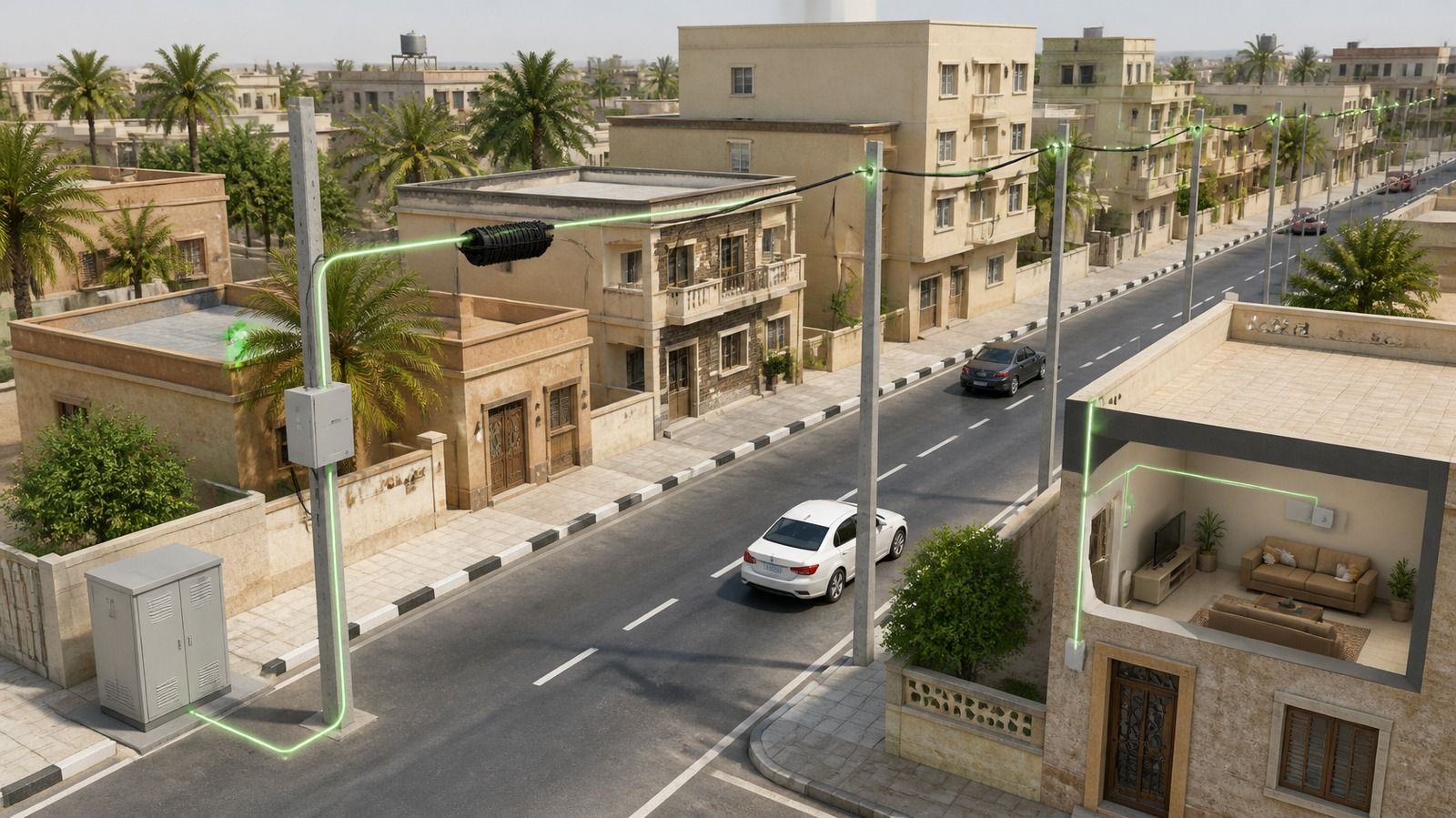
Fibre suspended on existing utility poles and clamped along building facades — a route that avoids trenching where civil works are slow or not permitted.
Explore the Solution — 6 Products
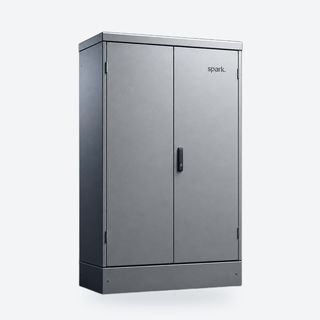
02Pole distribution · 2 products

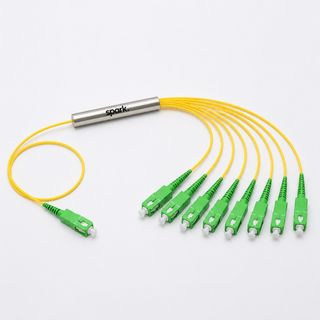
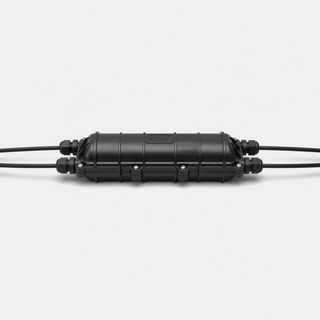
03SPK-FD-CLS-LInline Splice ClosureAn inline closure on the aerial strand protects branch splices at height.
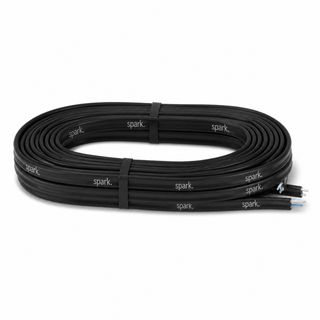
04SPK-DR-DRPFTTH Drop CableDrop cable spans from pole to pole along the street.
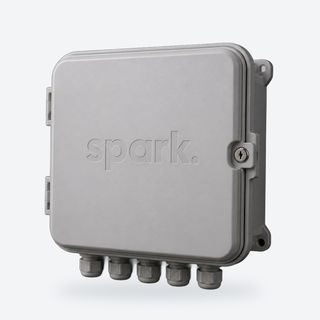
05SPK-ODN-FTB-PWall-Mount Termination BoxOn the house wall, a termination box receives the drop at building entry.

Hover any number to see the products and their datasheets.
Partner-sourced essentials (not SPARK-manufactured)· supplied within the project, not SPARK-manufactured
- ADSS / Figure-8 aerial cable
- Suspension & dead-end clamps
- Pole brackets & hardware
Two Aerial Methods
Aerial — poleFibre cable is suspended on existing utility poles.
- Poles inspected for structural soundness along the route
- Cable route planned and poles marked to local regulations
- Cable lifted with pulleys and rollers into hooks or clamps
- Tension set and cable secured with lashing wire or clamps
- Splicing at height from a portable workstation or lifting platform, with work-at-height safety
Aerial — facadeCable is clamped along building facades, with pre-connectorised cascading cable from each HUB to its boxes.
- Feeder from the OLT to the first HUB in an existing or new duct
- ADSS cable between HUBs, clamped on building facades
- One-core pre-connectorised cascading cable from each HUB to its boxes
- Quantities confirmed by the detailed survey and design
Part of the turnkey stagesBuild & install